

As much as it is beneficial to have your car windows tinted, doing it a little bit overboard has its disadvantages too. Yes, car window tinting gives comfort, protection, and safety to the driver and their passengers but doing it wrong, i.e. tinting the windows too dark can also bring dangers too.
Professional Tinting Businesses have a tool in determining the percentage or level of darkness a tint film has. Car owners should not only be responsible in driving by having their cars tinted, they should also make sure that it is done right.
Here are the reasons why you should not tint your car windows too dark:
Follow UK’s Tint Law
The United Kingdom government has specified exactly how dark vehicles windows should be. According to the Car Tinting Law, the tinting percentage—or the level of darkness of the front side windows and windscreens are determined by the time when the car is initially used.
When a vehicle was first used on April 1, 1985 and later, the front windscreen must let at least 75% of light through and the front side windows must let at least 70% of light through.
On the other hand, vehicles that were used before April 1, 1985 should have its windscreen and front side windows must both let at least 70% of light through.
Penalties for those who will violate stretch from getting a prohibition notice while on the road, to worst, a court summon.
Just to be safe, it would be best to have your car professionally tinted because companies who do this for a living know the do’s and don’ts, with considerations of the regulations. Most professional window tinting companies make it their business to stay up to date on window tint regulations.
Darkness can impair your vision while driving
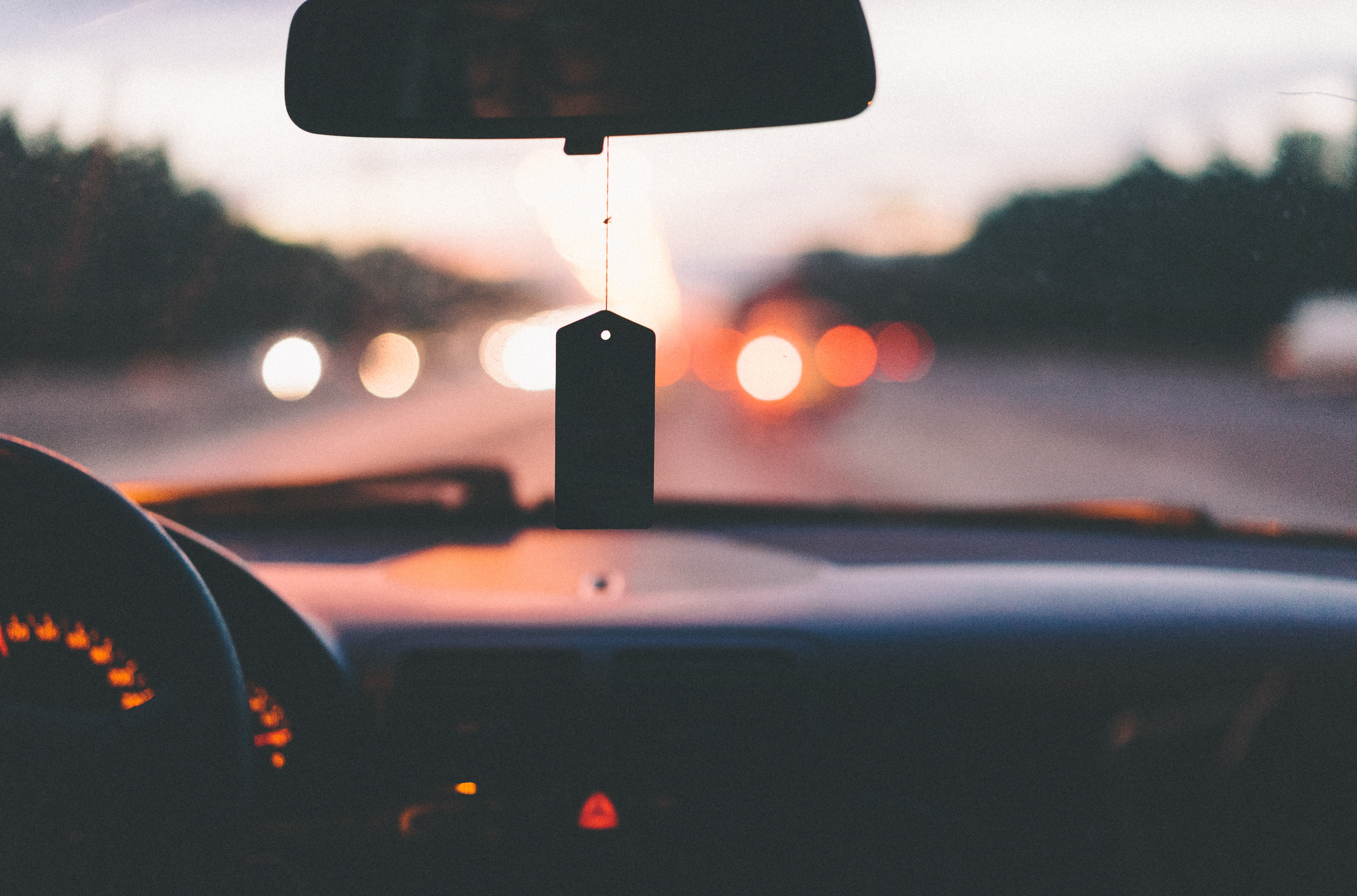
The main point of tinting is for the driver’s protection from glare from the sun, as well as from other vehicles Although tinted windows can definitely give your eyes protection from the sun while driving, darker tint can impede your vision when it is very cloudy, rainy or when it snows. Tints that are too dark can also make driving at night very hard and dangerous. Drivers may miss an odd car with malfunctioning headlights. Heavily-tinted cars can even run into animals while driving, worse, a pedestrian crossing.
Window tints are supposed to prevent road accidents, not cause it in the first place.
Misunderstandings on the road
It’s not just driver visibility, windscreens and windows that are tinted too dark can also prevent the driver from being seen by other drivers. Intersections are very busy and complex part of a road. The ability to make eye contacts and communicate with other drivers even without words is important when crossing or making turns. You’re probably even familiar with the “You go, no, you go” routine that sometimes happens at intersections. Imagine having that ‘conversation’ with a vehicle with heavily tinted windows—it can really be a recipe for a road disaster
Draws more attention to your vehicle
Having your vehicle more heavily tinted than usual can draw more attention to it, which is the complete opposite of what you want. Some people opt to tint their cars for the additional privacy they get from darker windows, People feel that very dark tint can keep others from seeing them inside of their cars, which seems like a great idea – at first.
Cars with very dark tinted windows attract a lot of attention. Given that no one from the outside can see you inside, they will definitely see your car and you may draw more attention from law enforcement or car robbers because of it.
Impede with police and rescue operations
Heavy tint can obstruct the work of rescue personnel and police during times of accidents and emergencies. During accidents, tint helps to keep your car’s window from shattering upon impact. Darker ones may be harder for authorities and rescuers to break in, making rescue operations harder. They can also have difficulty seeing inside your vehicle to gauge your condition, which could mean the difference between life and death.
If you are not sure if your car window tints are just the right amount of dark and tinted, have it checked by a professional tinting company near you.
SOURCES:
- http://www.thewisedrive.com/how-dark-is-too-dark/
- http://traffic.findlaw.com/traffic-tickets/window-tint-laws-the-basics.html
- https://www.gov.uk/tinted-vehicle-window-rules